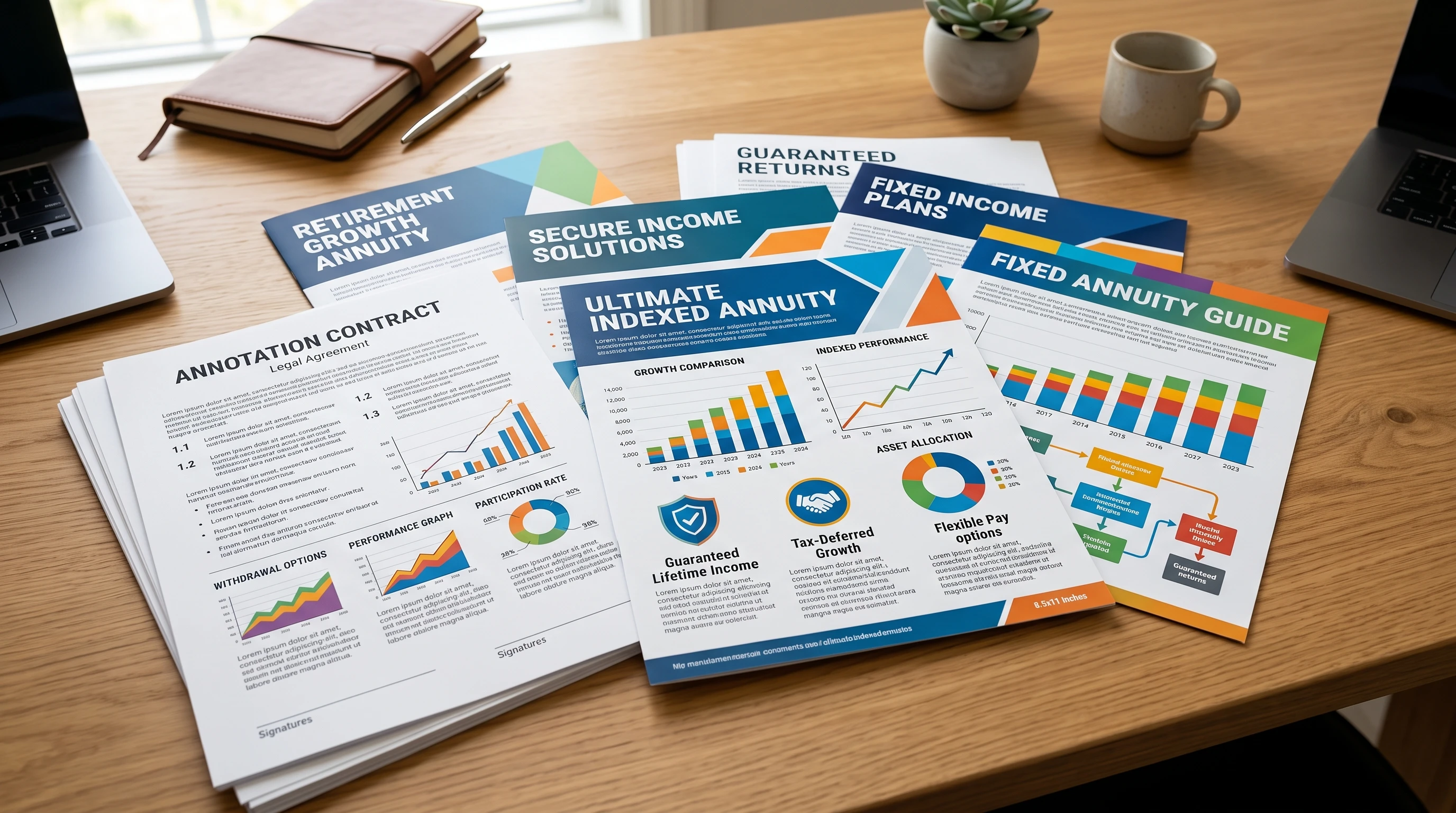
 Annuities can play a helpful role in my retirement planning, especially if I want reliable income for the future. When I start looking at different annuity products, I quickly realize that they come in many types and with a wide range of features. Comparing them helps me find the right fit for my needs, budget, and goals. I know that with careful research, I can make confident choices that provide peace of mind down the road.
Some annuities offer guaranteed fixed payments, while others have the chance to grow based on markets or special indexes. Costs, contract terms, and payout options also vary a lot between products. Sorting through the details can feel overwhelming if I’m not sure what to look for. I’ve gathered what I’ve learned into a simple, step-by-step process that makes comparing annuities clear, practical, and straightforward.
By understanding the main details, features, and questions, I can line up annuities side by side and focus on what really matters to me and my future income.
Step 1: Identify My Financial Goals and Needs
Before I compare annuities, I start by thinking about what I want them to do for me. Each product is built for different needs, and knowing my goals helps narrow down my options right away. Being honest about my comfort with risk and how much control I want over my funds helps me avoid products that won’t suit my style or long-term plans. It’s helpful to talk to a financial advisor at this stage or jot down answers to foundational questions.
Questions I Ask Myself:
- Do I want guaranteed lifetime income, or am I comfortable with some risk for higher potential growth?
- Will I need income soon, or am I looking to defer payments for a while?
- How much control do I want over my investment choices?
- Is passing money to beneficiaries important to me?
Common Annuity Goals:
- Reliable monthly income during retirement
- Protecting my savings from market drops
- Leaving a legacy to loved ones
- Growing my safe money faster than a regular savings account
With clear goals in mind, I can sort annuities by the benefits that match my plans, making the rest of the comparison process a lot easier. These steps keep my focus on what’s truly important, like financial security for myself and my family over time.
Step 2: Know the Main Types of Annuities
Annuities come in a few main varieties. Each is designed around different investment and payout strategies. I break them down like this so I can see which ones align with what I need. Taking time to get into the distinctions between types helps me avoid confusion and costly mistakes down the line.
Main Types of Annuities:
- Fixed Annuities. Pay me a guaranteed interest rate for a set period, then provide steady income.
- Variable Annuities. Returns and payments change based on investment choices I make within the contract. They offer growth potential, but payments can go up or down.
- Indexed Annuities. My returns are tied to the performance of a market index. There is usually a guaranteed minimum, but the growth may be limited by caps or participation rates.
- Immediate Annuities. Start paying out income almost right away, often within one year after I pay the initial premium.
- Deferred Annuities. Let my money grow tax deferred until I decide to receive payments, which usually happens years later.
Each type involves different risks, growth potential, and payout rules. Knowing the basics helps me quickly sort which kinds make the most sense for my situation and goals. I also check for any new or unique products that might offer additional benefits or flexibility so I don’t miss any options.
Step 3: Compare Features and Fees
Comparing annuities requires me to look closely at their features, costs, and the fine print. This is really important because these differences can add up over years and affect how much I actually get. Details like fees, surrender periods, and the availability of optional riders impact the long-term value of an annuity.
Key Features to Review:
- Surrender Charges. These are penalties if I take money out early. I check how long the surrender period is and what percentage is charged.
- Riders. Optional add-ons let me customize the contract. Popular ones provide guaranteed income, death benefits, or longterm care coverage, but they usually cost more.
- Fees. Some annuities (especially variable and indexed) have management fees, rider fees, and insurance charges. I ask for details on all costs.
- Interest Rates and Bonuses. Fixed annuities offer a set interest rate. Others might include a rate bonus as an incentive, but I read the terms carefully to avoid surprises.
Questions to Ask the Agent or Provider:
- What are all the annual and one-time fees?
- How long is the surrender charge period and what triggers a charge?
- What riders are available and how do they work?
- Are there any rate caps, participation rates, or spread fees for indexed options?
I always read the product disclosures, sample contracts, and ask questions until I’m sure I understand the real costs and features. Reading independent reviews and checking with state insurance departments can also provide extra peace of mind (see National Association of Insurance Commissioners). When comparing features and fees, it helps to make a simple table as a reference.
Step 4: Understand Payout Options and Flexibility
The way an annuity pays out affects how and when I can use my savings. Some contracts have fixed timeframes, while others offer flexible payout schedules. Matching payout styles to my goals makes a big difference. Looking at all the options helps me pick what will support me and my family if things change over time.
Common Payout Options:
- Life Only. Pays me for my lifetime. Payments stop when I pass away.
- Life with Period Certain. Pays for my lifetime, but also guarantees payments for a specific minimum period. If I pass away, my beneficiary keeps getting payments for the rest of that period.
- Joint and Survivor. Continues payments to my spouse or partner after I pass away.
- Lump Sum. Some let me take out all or part of the balance at once, though there might be tax consequences or surrender charges.
I consider how much flexibility I’ll want if my needs change or emergencies come up. The value of an annuity goes up when its payout style gives me choices, or lets my family benefit if something happens to me. If possible, I talk with my partner or beneficiaries about what would work best for them as well.
Step 5: Evaluate Company Strength and Service
Since annuities are longterm contracts, I make sure to choose companies with strong financial ratings and reliable service. This helps protect my money for the whole life of the contract. It’s a smart idea to double check recent news about the insurance company for any sign of trouble before making a commitment.
What I Look For:
- Strong ratings from agencies such as A.M. Best, Moody’s, or Standard & Poor’s
- Clear, accessible customer service with helpful reviews from other customers
- Track record of paying claims and honoring contracts
It’s usually easy to find company ratings from independent sources. Choosing a highly rated, wellestablished provider adds an extra layer of confidence to my decision. When in doubt, I ask for references or testimonials from other annuity holders to get real feedback.
Step 6: Check for Tax Considerations
Annuities have some unique tax rules that are different from other retirement accounts. Understanding how taxes work with the specific product helps me avoid surprises when I withdraw money. Each type might have different tax treatment, so staying aware of IRS rules is important as I build my retirement game plan.
Things I Pay Attention To:
- Money grows tax deferred. I won’t pay taxes on gains until I start withdrawals.
- Withdrawals before age 59½ may result in IRS penalties, similar to early retirement account withdrawals.
- Payouts are usually taxed as regular income, not as capital gains.
If I’m not sure about the tax pieces, I talk to a qualified tax advisor or financial planner. This makes sure that the annuity fits with my whole retirement plan, not just part of it. The IRS also has helpful resources on tax rules for annuities. Budgeting for taxes ahead of time can help keep retirement plans on track.
Common Questions & Answers
How do I know if an annuity is right for me?
I weigh my need for steady income, my risk tolerance, and whether I want to lock up my money for long periods. Annuities work well for those who want predictable payouts or protection from running out of savings. They may not be the best fit if I need immediate access to funds or am seeking high growth with high risk.
What should I ask before buying an annuity?
- What does it cost each year, and what fees could come up?
- How long must I keep my money in the contract before I can access it without penalty?
- How will withdrawals or benefits be taxed?
- What happens to the money if I pass away early?
Asking these questions of every provider I’m considering helps avoid costly missteps. It’s worth writing down their answers so I don’t forget important details later.
Are my annuity payments guaranteed?
Payments are backed by the issuing insurance company, not the government. I double check the company’s strength and the terms in my contract for confidence in the guarantee. Although state insurance guaranty associations may provide some protection, there are limits, so making an informed choice is key.
Next Steps for Comparing Annuities
By breaking down the main features, costs, types, and payout options, it gets easier to compare annuity products and pick the one that fits my needs. I make lists of what matters most to me, collect disclosure sheets from a few providers, and read all paperwork carefully. I keep notes or a comparison chart for each product so I can track pros and cons side by side.
My Checklist for Comparing Annuities:
- Clarify my goals and needs for future income or security.
- Identify what type of annuity matches those goals.
- Compare features, payouts, fees, and flexibility.
- Review the insurance company’s financial standing and reputation.
- Ask questions and request clear, written answers before signing anything.
The more I learn, the easier it is to feel confident about the annuity choice I make for my retirement plans. Taking my time to check every step lets me build a foundation for a secure and predictable income in the years ahead. If I ever feel unsure, tapping into trusted sources and professionals sheds light on tricky parts, making my decisions even stronger for the long term.